Hangar 1 · the puppet series and its revivals
Gerry Anderson’s Thunderbirds
Toys, die-cast, model kits, figures, books and home video from the 1965–66 Supermarionation series, the two 1960s films and Thunderbirds Are Go (2015–2020).
Catalogue · collector guides · Amazon & eBay searches
An independent UK guide to what was made, who made it and how to find it — from 1960s Dinky Toys and the 1992 Matchbox range to today’s die-cast and kits. Plus models of the USAF Thunderbirds display team and the Ford Thunderbird.
Featured specimens
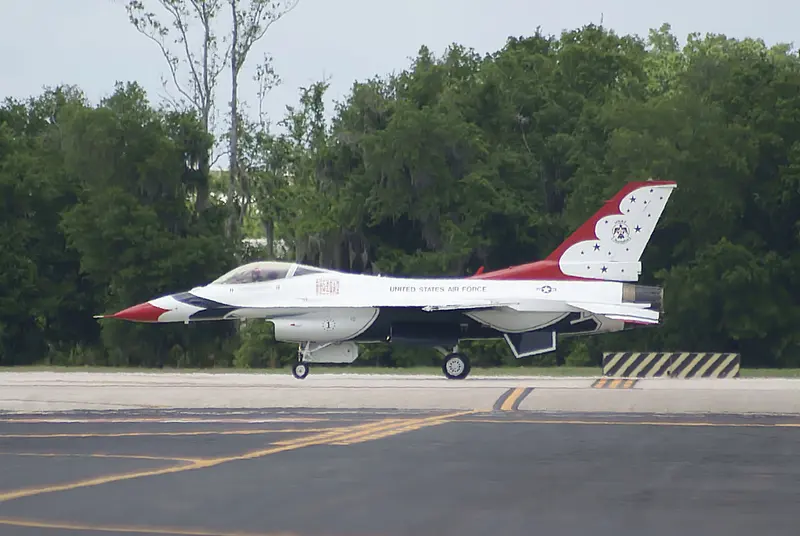
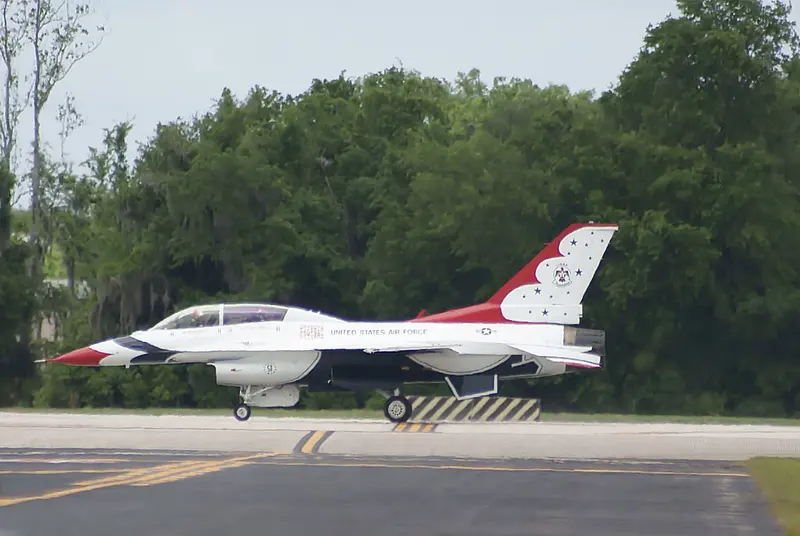
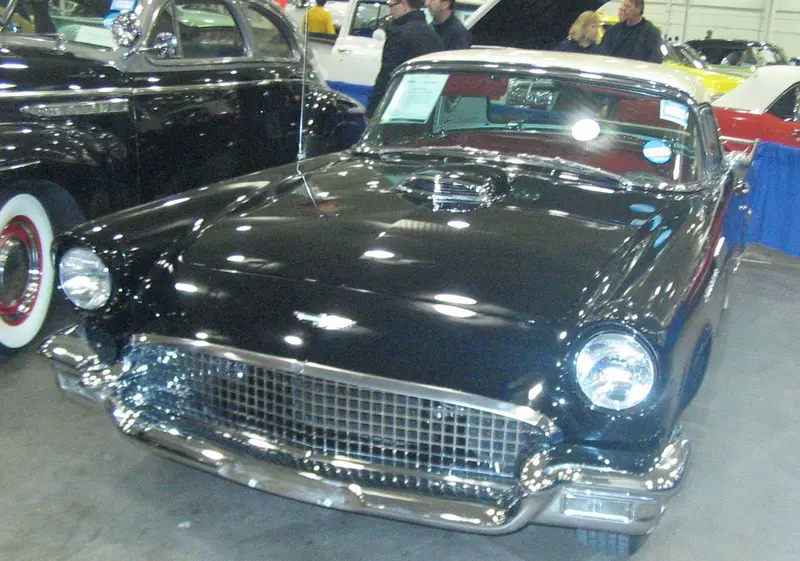
Photo: Bull-Doser at English Wikipedia, Public domain
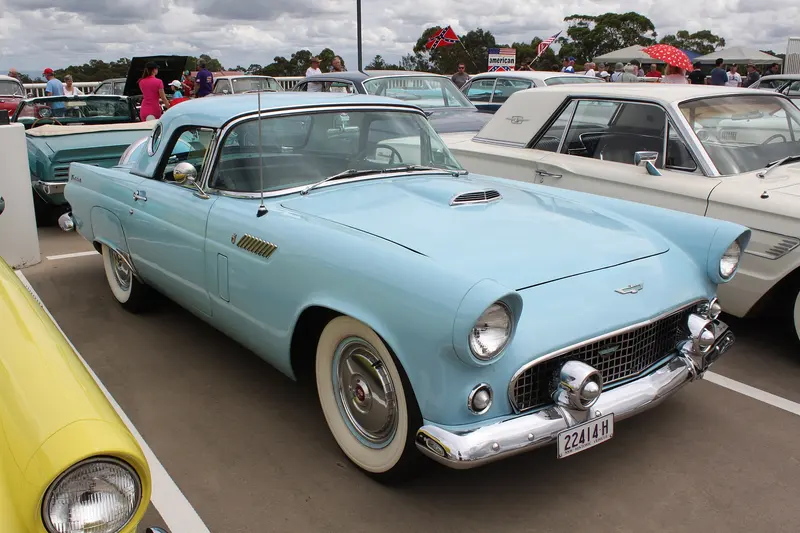
Browse by section
Toys, die-cast, model kits, figures, books and home video from the 1965–66 Supermarionation series, the two 1960s films and Thunderbirds Are Go (2015–2020).
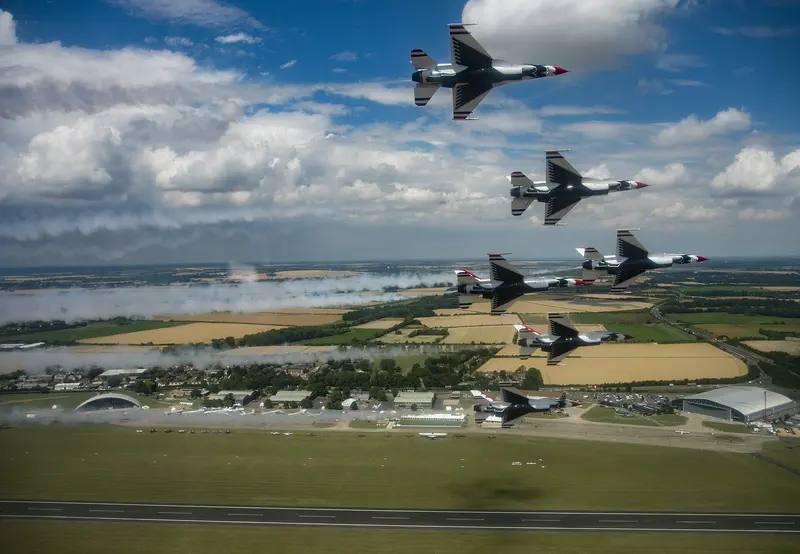
Die-cast models and plastic kits of the United States Air Force Air Demonstration Squadron — the Thunderbirds — whose F-16 Fighting Falcons have flown the team’s displays since 1983.
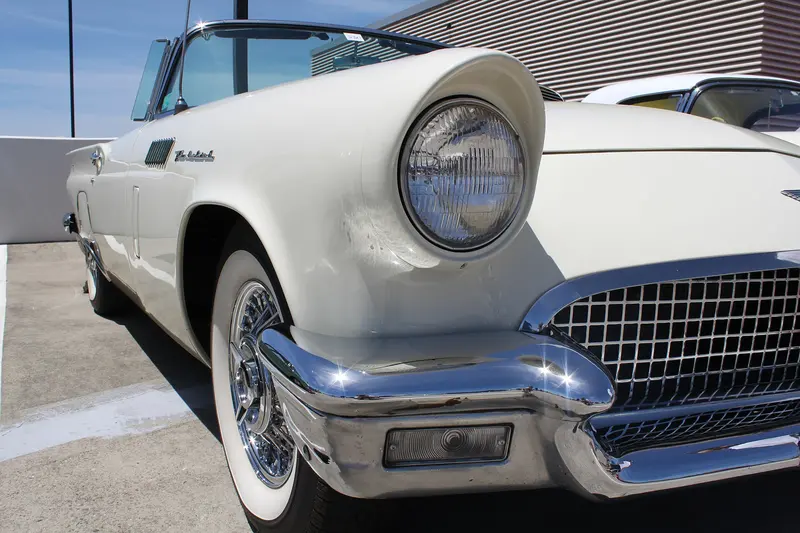
Scale models of Ford’s personal luxury car, sold for the 1955 to 1997 model years and again from 2002 to 2005 — from 1:18 die-cast to plastic kits.
The era timeline
The U.S. Air Force’s air demonstration team is activated at Luke Air Force Base, Arizona, flying the F-84G Thunderjet.
Sold as a 1955 model: an upscale, sporty two-seat convertible.
The Thunderbirds move to their current home, Nellis Air Force Base in Nevada, and take up the F-100 Super Sabre, which…
The first episode, “Trapped in the Sky”, is shown in the ATV Midlands, Westward and Channel regions; other ITV regions…
Filming ends in August 1966 with the sixth episode of Series Two. AP Films is renamed Century 21 Productions the same y…
The first feature film, directed by David Lane and distributed by United Artists.
The second film. Its poor box-office performance rules out further sequels.
The team flies the Air Force’s front-line fighter, then switches to the T-38 Talon trainer in 1974.
The F-16A Fighting Falcon becomes the team’s display aircraft; the F-16C follows in 1992.
The BBC shows the series nationwide on BBC2; the first run averages more than six million viewers per episode.
Know what you’re looking at
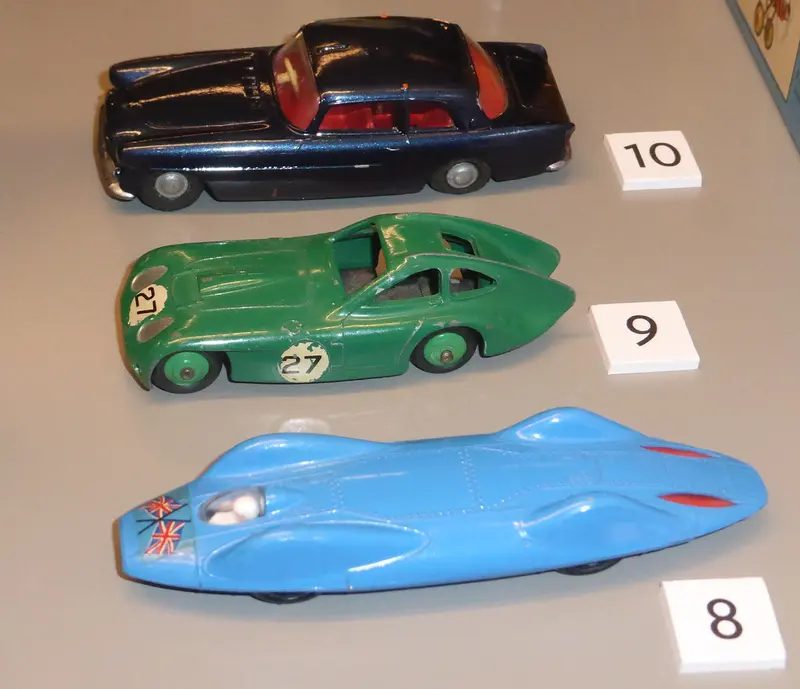
How to tell the main vintage and modern die-cast apart — catalogue numbers, colours, copyright marks and missing parts — using only facts we can source.
Reproduction boxes, repainted models and replacement parts are part of the hobby — the problem is when they aren’t declared. What to look for and what to ask.
Museum conservation advice applied to a home collection: light, humidity, handling, cleaning and “zinc pest”.
How eBay’s Money Back Guarantee works, your rights with business and private sellers, and practical checks before you bid on vintage Thunderbirds toys.
Searching for “Thunderbird models” turns up three unrelated things. Here’s how to tell them apart — and find the right one.
What “1:72” actually means, which hobbies use which scales, why Thunderbirds craft come in so many sizes — and a calculator to work out any model’s length.
The grading words used by auction houses and sellers — Mint, Near Mint, Excellent, Good, Fair, Poor — plus MIB, MOC and the rest, explained with sources.
The collector’s glossary explains the jargon, from “near mint” to “sprue”.
New on Amazon.co.uk · second-hand on eBay.co.uk
Models still in production — current die-cast, kits, books and Blu-rays — are easiest to find new. Our Amazon store lists them shelf by shelf with ready-made Amazon.co.uk searches.
Vintage Dinky Toys, the 1992 Matchbox range and other discontinued items turn up second-hand. Our eBay searches link to live eBay.co.uk search results (never single listings, which disappear once sold) — read buying safely on eBay first.
We earn a small commission from qualifying purchases through these links. We never show shop prices — check the current price and seller details on the shop’s own page.
Thunderbird Models is an independent fan and collector’s guide. It is not affiliated with, authorised or endorsed by ITV Studios or any other owner of the Thunderbirds rights, Anderson Entertainment, the toy and model makers we write about, Ford Motor Company or the United States Air Force.
“Thunderbirds” and the names of the show’s craft and characters are trade marks of their owners; we use them only to describe the products we write about. We don’t use the show’s logo, official artwork, stills or publicity photos — the specimen plates on this site are our own abstract graphics, and our photos are freely licensed and credited.